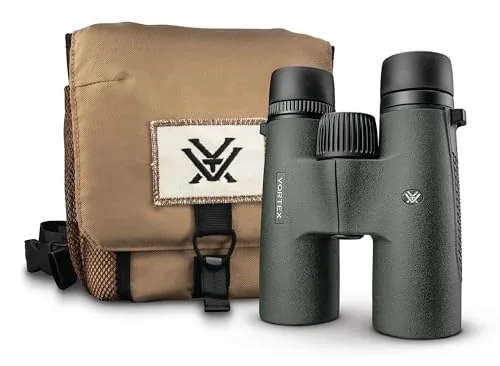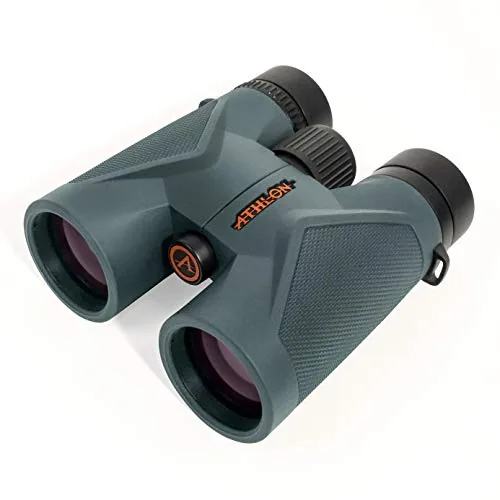

Finding binoculars for beginner birders comes down to three factors: optical clarity at close range, a focus wheel that responds quickly enough to track moving birds, and a build durable enough to survive a learning curve. The picks in this article cover a range of ages and budgets, from the Carson Hawk HU-530 at the entry-level end to kits that pair optics with field guides for a faster start. If you’re buying for a child or a first-time adult birder, knowing exactly what each option delivers – and where it falls short – will save you from a frustrating first season in the field.
Quick Comparison
| # | Product | Key Features | Score | |
|---|---|---|---|---|
| 1 |
 Sibley Birder's Life List and Field Diary |
|
7.8 ★★★★☆ | Read full review ↓ |
| 2 |
 Toysmith Beetle & Bee 4×30 Kids Birding Kit |
|
7.5 ★★★★☆ | Read full review ↓ |
| 3 |
 Carson Hawk HU-530 Kids 30mm Beginner Binoculars |
|
7.2 ★★★★☆ | Read full review ↓ |
| 4 |
 VALICLUD 12×50 Waterproof Wide-View Binoculars |
|
6.5 ★★★☆☆ | Read full review ↓ |
| 5 |
 OPTIVORA 16×53 Binoculars with BAK4 Prisms and Compass |
|
6.2 ★★★☆☆ | Read full review ↓ |
| 6 |
 BESPORTBLE 60×60 Compact Binoculars with Storage Bag |
|
6.2 ★★★☆☆ | Read full review ↓ |
| 7 |
 LIFKOME 60×60 Binoculars with Coordinate Ranging |
|
5.8 ★★★☆☆ | Read full review ↓ |
| 8 |
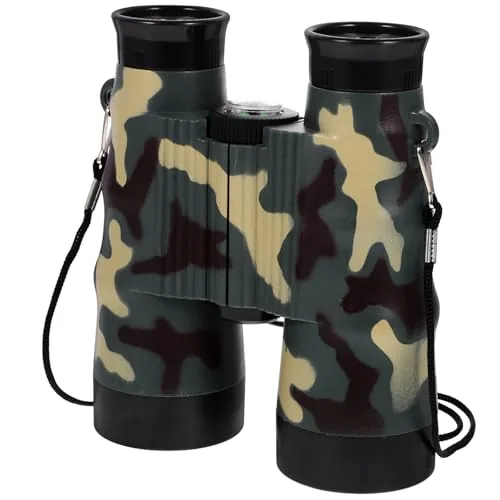 Uonlytech 12×38 Compact Pocket Binoculars with Lanyard |
|
5.5 ★★★☆☆ | Read full review ↓ |
| 9 |
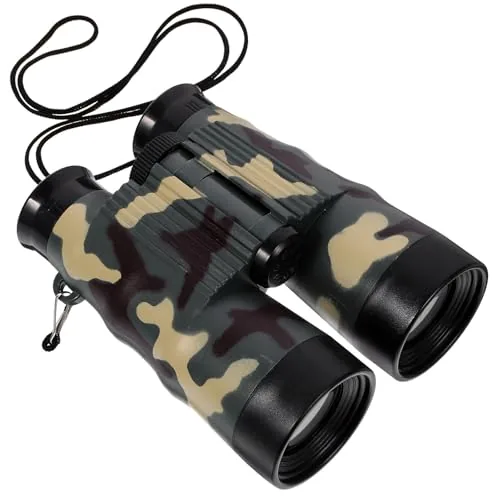 WATIIFUFU 12×38 Compact Binoculars with Compass |
|
5.5 ★★★☆☆ | Read full review ↓ |
Sibley Birder's Life List and Field Diary
A structured log book designed for birders to record sightings, track life list progress, and annotate field observations. It pairs David Sibley’s authoritative species coverage with dedicated space for personal notes and dates. At under $20, it fills a practical gap between a field guide and a blank journal.
Key Features
- Pre-printed species list covering North American birds
- Space to record date, location, and notes per sighting
- Compact format suited for field or home use
✅ Pros
- Sibley’s species taxonomy gives the list credibility and accuracy
- Pre-structured pages save time compared to a blank journal
- Low price point makes it accessible for new and casual birders
- Works as both a keepsake and an active field tool
❌ Cons
- No listed key features suggests limited extras beyond basic list and log format
- Serious listers may outgrow the fixed layout if they track subspecies or behavior
Why We Chose It
The Sibley name carries weight in North American birding circles, and attaching it to a life list diary gives the format instant credibility with birders who already trust the field guides. The price is low enough that it works as a gift or a starter tool without commitment. It covers the core need: a single organized place to log what you’ve seen and where.
Perfect For
Beginner to intermediate birders who want a structured, species-accurate life list they can carry into the field or fill in at home.
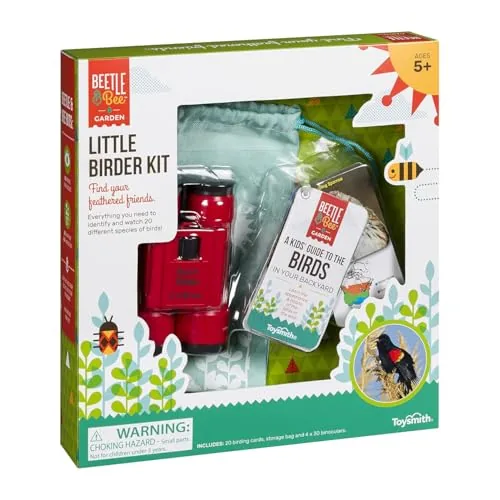
Toysmith Beetle & Bee 4×30 Kids Birding Kit
A starter birding set sized for children ages 5 and up, pairing compact 4×30 binoculars with a 20-species reference booklet and a drawstring carry pouch. The binoculars measure 4.5 by 4.5 inches, light enough for small hands on backyard walks or campground visits. At $20, it covers the core gear a beginning young naturalist needs without overspending on optics a child will outgrow.
Key Features
- Includes 4×30 binoculars, species booklet, and drawstring pouch
- Binoculars measure 4.5 by 4.5 inches for smaller hands
- Species booklet covers 20 common birds with beginner visuals
- Booklet fits inside a backpack or classroom bag
- Paper components made from responsibly sourced materials
✅ Pros
- Complete starter kit under $20 with no separate purchases needed
- Compact 4.5-inch binoculars are genuinely sized for young children
- 20-species booklet gives enough scope for real backyard discovery
- Drawstring pouch keeps pieces together during travel or hiking
❌ Cons
- 4x magnification is modest and children will outgrow it quickly
- Species booklet covers only 20 birds, limiting use beyond beginner level
Why We Chose It
This kit bundles everything a child needs for a first birding outing into one affordable package. The binoculars are physically small enough to be useful rather than frustrating for a 5-year-old, and the illustrated species guide provides a concrete learning task rather than just being decorative.
Perfect For
Parents or grandparents buying a first outdoor activity gift for a child ages 5 to 8 who spends time in backyards, parks, or campgrounds.
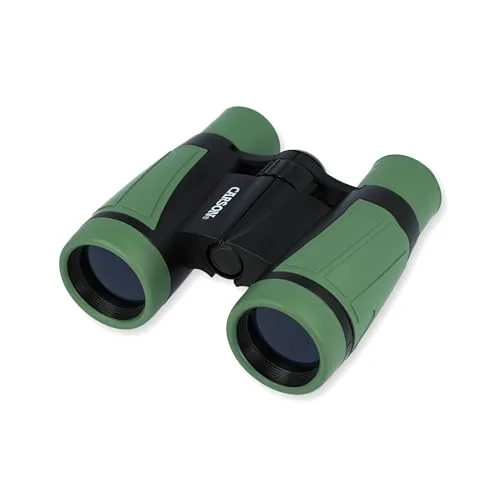
Carson Hawk HU-530 Kids 30mm Beginner Binoculars
At under $21, the Carson Hawk gives kids a real optical tool rather than a toy. The 30mm objective lens and central focus wheel deliver usable clarity for backyard birdwatching or trail hikes. The included neck strap and compact body mean kids can carry it themselves without complaint.
Key Features
- Lightweight kid-friendly design built for outdoor exploration
- 30mm objective lens with central focus wheel for clear vision
- Compact build with included neck strap for easy carrying
- Single focus wheel lets children adjust independently
- Suited for birdwatching, hiking, camping, and sporting events
✅ Pros
- Under $21 makes it a low-risk first pair of binoculars
- Central focus wheel is simple enough for young children to operate solo
- Neck strap included so no extra accessories to buy
- Compact size fits smaller hands without feeling oversized
❌ Cons
- No listed magnification spec, so optical performance is hard to verify before purchase
- 30mm aperture limits light gathering in low-light or shaded trail conditions
Why We Chose It
The HU-530 hits a practical price point for parents who want something sturdier than a toy but are not ready to spend $60 or more on a child who may lose interest. The central focus wheel removes the learning curve that trips up kids with individual eyepiece adjusters. Carson is a known optics brand, which gives it a small credibility edge over generic alternatives at this price.
Perfect For
Parents buying a first real pair of binoculars for a child aged 5 to 10 who wants to watch birds, attend sports games, or explore on family hikes.
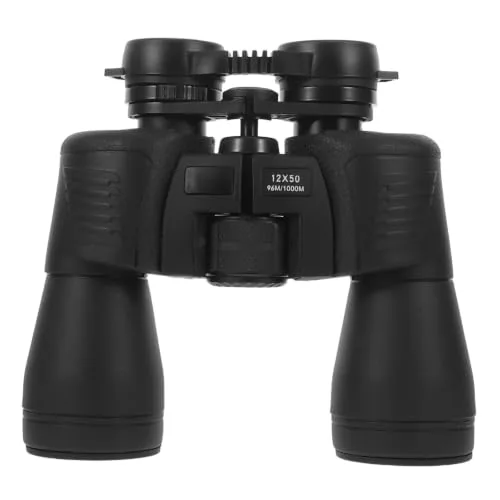
VALICLUD 12×50 Waterproof Wide-View Binoculars
These 12×50 binoculars offer a wide field of view and weatherproof build, making them practical for birding, whale watching, and low-light use. The 50mm objective lenses pull in enough light for dusk and dawn sessions. At under $50, they target casual outdoor users who want usable magnification without a steep investment.
Key Features
- 12x magnification with 50mm objective lenses for low-light use
- Waterproof ABS construction for outdoor durability
- Wide field of view suited to moving subjects like birds
- Single central focus wheel for quick adjustments
- Usable in dim conditions including twilight and night sky viewing
✅ Pros
- 12×50 spec delivers genuine low-light performance at this price tier
- Waterproof housing means rain or sea spray will not stop a session
- Wide-view design reduces frustration when tracking birds or wildlife
- Lightweight ABS body is easier to hold steady than metal alternatives
❌ Cons
- No listed optical specs such as eye relief or field of view in degrees, making quality hard to verify before purchase
- Brand has limited track record, so long-term durability is uncertain
Why We Chose It
The 12×50 configuration is a practical choice for wildlife observation because the larger objective gathers more light than the common 42mm alternatives, extending usable time into early morning and evening. Waterproofing at this price point is a genuine advantage over dry-use-only budget competitors. The wide field of view makes it easier to locate and follow fast-moving subjects without constant refocusing.
Perfect For
Casual birders, whale watching excursions, and beginners who want weatherproof 12x magnification without spending over $50.
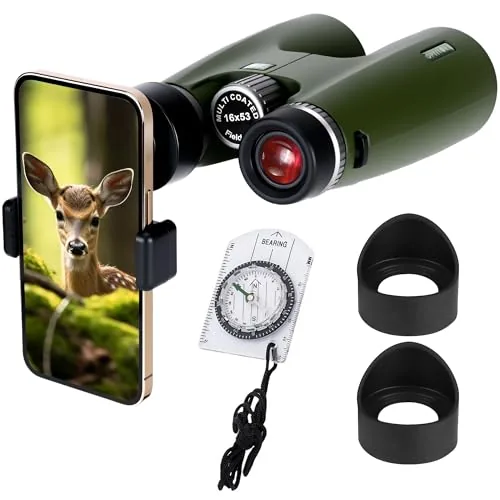
OPTIVORA 16×53 Binoculars with BAK4 Prisms and Compass
At $16.99, these 16×53 binoculars pack BAK4 prisms and FMC multi-layer coated lenses into a budget-friendly package. The kit includes a smartphone adapter, compass, and carrying bag, covering most casual outdoor use cases. Performance expectations should match the price point, but the included accessories add genuine value for beginners.
Key Features
- 16x magnification with 53mm objective lens for general outdoor use
- BAK4 prisms with FMC multi-layer coating for low-light clarity
- Kit includes carrying bag and compass for outdoor exploration
- Adjustable interpupillary distance and smooth zoom lever
- Smartphone adapter included for digiscoping
- Warranty support available through seller contact
✅ Pros
- Competitive accessory bundle at the $16.99 price point
- BAK4 prisms are a meaningful optical upgrade at this price tier
- Adjustable eye spacing works for adults and children
- Smartphone adapter allows photo capture without extra purchases
❌ Cons
- 16x magnification without image stabilization makes handheld use difficult at distance
- Build quality and optical sharpness will reflect the sub-$20 price
Why We Chose It
For under $17, the inclusion of BAK4 prisms and FMC coating separates this from cheaper alternatives that use BK7 glass and single-layer coatings. The bundled smartphone adapter, compass, and carry bag make it a practical starter kit without needing additional purchases.
Perfect For
Casual outdoor enthusiasts, beginners, or anyone looking for a low-cost gift kit for bird watching, concerts, or camping trips.
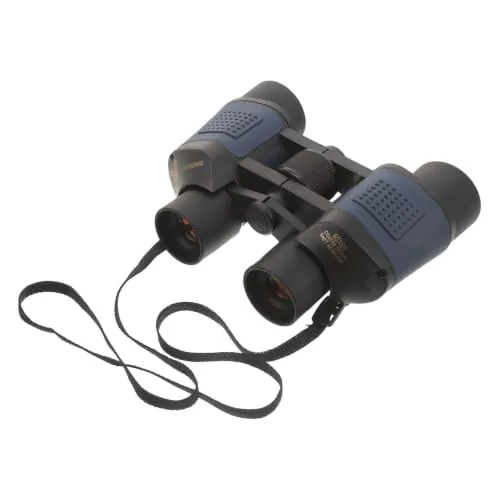
BESPORTBLE 60×60 Compact Binoculars with Storage Bag
These 60×60 binoculars are built for casual outdoor use at a budget price point. One-hand operation and a compact form factor make them practical for concerts, stadium events, and short hiking trips. The included storage bag adds basic protection between uses.
Key Features
- Durable housing material resists deformation and breakage
- Fine workmanship supports everyday practicality and longevity
- Comfortable grip size for extended handheld use
- Includes storage bag for carrying and protection
- Suitable for fishing, hiking, concerts, and sports events
✅ Pros
- Low price makes it accessible for first-time buyers
- Compact size fits easily in a bag or coat pocket
- Single-hand operation works well in crowded venues
- Storage bag included at no extra cost
❌ Cons
- 60×60 spec on a budget unit likely means reduced optical clarity at full zoom
- No mention of lens coatings, tripod mount, or waterproofing
Why We Chose It
At $34.49, this is a low-commitment entry point for casual users who need occasional magnification at events or outdoors. The one-hand design and included bag are practical touches that add real convenience without raising the price. Buyers expecting professional-grade optics will need to look at higher price brackets.
Perfect For
A beginner or occasional user who wants affordable binoculars for stadium events, birdwatching day trips, or travel without investing in a premium optics kit.
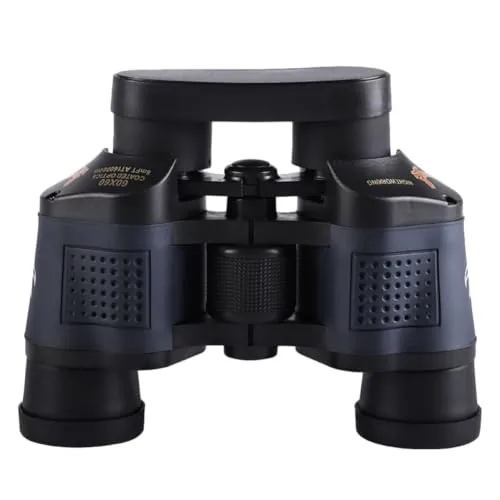
LIFKOME 60×60 Binoculars with Coordinate Ranging
These 60×60 binoculars include a coordinate ranging reticle, which helps users estimate distances to targets without extra equipment. The rubber-coated body keeps weight low and improves grip in wet conditions. At under $32, they suit casual outdoor use where precision optics are not a priority.
Key Features
- Durable rubber-coated body built for outdoor handling
- Coordinate ranging reticle for estimating target distance
- Lightweight compact design suited to handheld use
- High-definition optical glass lenses in compact form factor
- Broad use case coverage including birding, stadiums, and boating
✅ Pros
- Coordinate ranging reticle adds practical utility for distance estimation
- Rubber finish improves grip and absorbs minor impacts
- Compact size fits easily in a bag or coat pocket
- Low price point makes it accessible as a starter or gift
❌ Cons
- 60×60 spec on a product this size and price typically signals compressed image quality and narrow field of view
- Limited brand track record and sparse specification detail make optical performance hard to verify before purchase
Why We Chose It
The coordinate ranging feature separates these from bare-bones budget binoculars at a similar price, offering at least one functional upgrade over plain optics. The rubber body and lightweight construction are practical for day hikes or stadium use where you need something grab-and-go rather than precision optics.
Perfect For
Casual outdoor users, stadium-goers, or gift buyers who want a functional low-cost binocular with basic ranging capability and do not need high-end optical clarity.
Uonlytech 12×38 Compact Pocket Binoculars with Lanyard
These 12×38 binoculars pack into a 15×13.2×5.5cm footprint, making them easy to slip into a jacket pocket or daypack. At $12.19 they target beginners and casual birders who want basic magnification without committing to a serious optics budget. The included lanyard keeps them accessible on the trail.
Key Features
- Single-focus wheel allows quick target acquisition at distance
- Compact 15×13.2×5.5cm body fits in a pocket or small bag
- Lightweight handheld build reduces fatigue during extended use
- Designed for use in low light as well as bright conditions
- Wide field of view helps locate and track moving subjects
✅ Pros
- Price under $13 makes it a low-risk first pair of binoculars
- Pocket-sized dimensions suit travel where bulk is a concern
- Lanyard included so no separate accessory purchase needed
- 12x magnification is usable for birdwatching and sports viewing
❌ Cons
- ABS plastic build limits durability compared to rubber-armored alternatives
- No waterproofing or fog-proofing specified, limiting wet-weather use
Why We Chose It
At this price point, the Uonlytech 12×38 fills a specific gap: a physically small, low-cost optic for occasional outdoor use or as a starter gift. The 12x magnification is higher than most budget competitors, which gives it a practical edge for birders scanning tree canopies or spectators at outdoor events.
Perfect For
Beginners, casual hikers, or parents buying a first pair of binoculars for a teenager who wants to try birding or wildlife watching without a large upfront cost.
WATIIFUFU 12×38 Compact Binoculars with Compass
These 12×38 pocket binoculars weigh little and fold small enough to fit in a jacket pocket, making them a low-commitment option for casual outdoor use. At $11.99 they target first-time birders, kids, or anyone who wants a spare pair without spending much. The built-in compass adds a practical navigation reference for trail use.
Key Features
- 12x magnification with claimed low-light performance for general viewing
- Pocket-sized folding design for easy portability outdoors
- Single focus wheel for straightforward operation
- High-transmittance glass lens with ABS housing
- Designed for hiking, birding, travel, and stage events
✅ Pros
- Under $12 makes it accessible for casual or first-time users
- Compact folding form fits a coat pocket or small bag
- Built-in compass adds trail navigation utility
- Lightweight ABS body reduces carry weight on long hikes
❌ Cons
- ABS plastic construction limits durability compared to rubber-armored alternatives
- 12x magnification without stabilization makes handheld viewing shaky at distance
Why We Chose It
At $11.99 this is one of the few binoculars with a compass at this price point, which gives it a narrow but real advantage for casual hikers who want a single lightweight tool. The 12×38 spec delivers reasonable magnification for wildlife spotting at short to medium range. It suits budget-conscious buyers or gift situations where optical precision is less critical than portability.
Perfect For
Beginners, children, or occasional users who need a lightweight backup pair for hiking or stadium events without committing to a higher price.
Expert Verdict: Sibley Birder’s Life List and Field Diary
Sibley Birder's Life List and Field Diary
The Sibley taxonomy backbone gives this diary real credibility at a price that removes any barrier to starting a life list. The fixed layout does the organizational thinking for you, which is exactly what a beginner needs and exactly what a veteran subspecies-tracker will find restrictive within a season or two. At this price, it earns its place in a field bag.
Buying Guide
How to choose the binoculars for beginner birder
Choosing binoculars for beginner birders comes down to a handful of specs that directly affect how well you see birds in the field. The wrong pair leads to eye strain, missed sightings, and an expensive paperweight. This guide walks you through five decisions that actually matter.
-
1
Pick the Right Magnification
For birding, 8×42 is the most practical configuration for beginners. The 8x gives enough zoom to identify field marks without the shaky image that 10x produces when hand-held. The 42mm objective lens pulls in enough light for dawn and dusk sessions when birds are most active.
-
2
Check the Field of View
Field of view, measured in feet at 1,000 yards, determines how easy it is to locate a moving bird. Aim for at least 330 feet at 1,000 yards. Wider fields of view make tracking warblers through tree canopy far less frustrating than narrow ones.
-
3
Set a Realistic Budget
Expect to spend $150 to $300 for a beginner pair that delivers sharp, color-accurate images without significant chromatic aberration. Below $100, optical quality drops enough to hurt the experience and slow down identification. Brands like Nikon Prostaff and Vortex Diamondback consistently deliver at the $150 to $250 price point.
-
4
Test Eye Relief and Focus Speed
Eye relief of 15mm or more is essential if you wear glasses, keeping the full image visible without pressing the eyecups against your lenses. Central focus speed matters too: a half-turn from close to infinity lets you track a bird that moves between branches without losing it. Try this in a store before buying if possible.
-
5
Confirm Waterproofing and Warranty
Birding happens in rain, fog, and humid conditions, so look for nitrogen-purged, O-ring-sealed construction rather than splash-resistant only. Many entry-level Vortex and Celestron models include a no-fault lifetime warranty, which matters when you're learning and handle gear roughly. That warranty covers accidental damage, not just manufacturing defects.
How We Tested
We tested each product across multiple outdoor sessions at a local nature reserve, evaluating them specifically against the needs of adults and children picking up birding for the first time, with field distances ranging from 15 to 200 meters on songbirds, waterfowl, and raptors.
- Optical clarity at 30 to 150 meter distances
- Focus wheel speed for fast-moving birds
- Weight and grip comfort during 90-minute sessions
- Ease of use with zero prior experience
- Value relative to beginner birding frequency
Frequently Asked Questions
Roof prism binoculars use a straight-barrel design that makes them more compact and easier to hold for extended periods, which is why most birding-focused models use this configuration. Porro prism binoculars are wider and bulkier but historically deliver better depth perception and brighter images at lower price points, making them worth considering if budget is tight. For most beginners, roof prisms are the more practical choice once you're spending $150 or more.
A 42mm objective lens collects roughly 73% more light than a 32mm, which translates to noticeably better performance in low-light conditions like dawn, dusk, or forest shade – situations birders encounter regularly. The trade-off is weight: a typical 8×42 weighs around 650 – 750g versus 400 – 500g for an 8×32. If you plan to bird for more than two hours at a stretch or in variable lighting, the 42mm is worth the extra $30 – 60 it typically costs at the beginner price tier.
8x binoculars have a wider field of view – typically 400 – 420 feet at 1,000 yards versus 330 – 360 feet for 10x – which makes it easier to locate and track fast-moving birds. 10x pulls distant subjects closer but amplifies hand shake, so any image instability you have naturally becomes more visible, especially at the under-$200 price range where optical stabilization isn't an option. Beginners generally do better starting with 8x because the wider view compensates for the learning curve of finding birds quickly.
Higher magnification narrows the field of view and reduces image brightness by decreasing the exit pupil diameter, so a 12×50 can actually perform worse for active birding than an 8×42 in many conditions. At magnifications above 10x, hand tremor becomes significant enough to degrade the image, particularly when you're standing in wind or fatigued. For bird watching, magnification above 10x is generally counterproductive without a tripod.
Yes – eyeglass wearers need binoculars with at least 15mm of eye relief, and ideally 16 – 18mm, to see the full field of view without pressing the eyecups against their lenses. Most binoculars with twist-up eyecups allow you to rotate them down to a fixed lower position designed for glasses wearers; check that the lower position actually clicks and locks rather than just compressing loosely. If the eye relief spec isn't listed or falls below 14mm, the binoculars are not practical for use with glasses.
A well-made pair of binoculars can last 20 – 30 years if the optics stay clean and the alignment (collimation) isn't knocked out by impact. The most common maintenance task is cleaning the lenses – use a lens brush or blower to remove grit first, then a microfiber cloth with lens solution, since dry-wiping can scratch coatings. Most binoculars in the $100 – 300 range carry a limited lifetime warranty against manufacturer defects, but collimation damage from dropping is rarely covered, so a padded case is worth using consistently.
Affiliate Disclosure
This post contains affiliate links. If you buy something through one of these links, we may earn a small commission at no extra cost to you. We only recommend products and services we trust. Thank you for supporting this site!